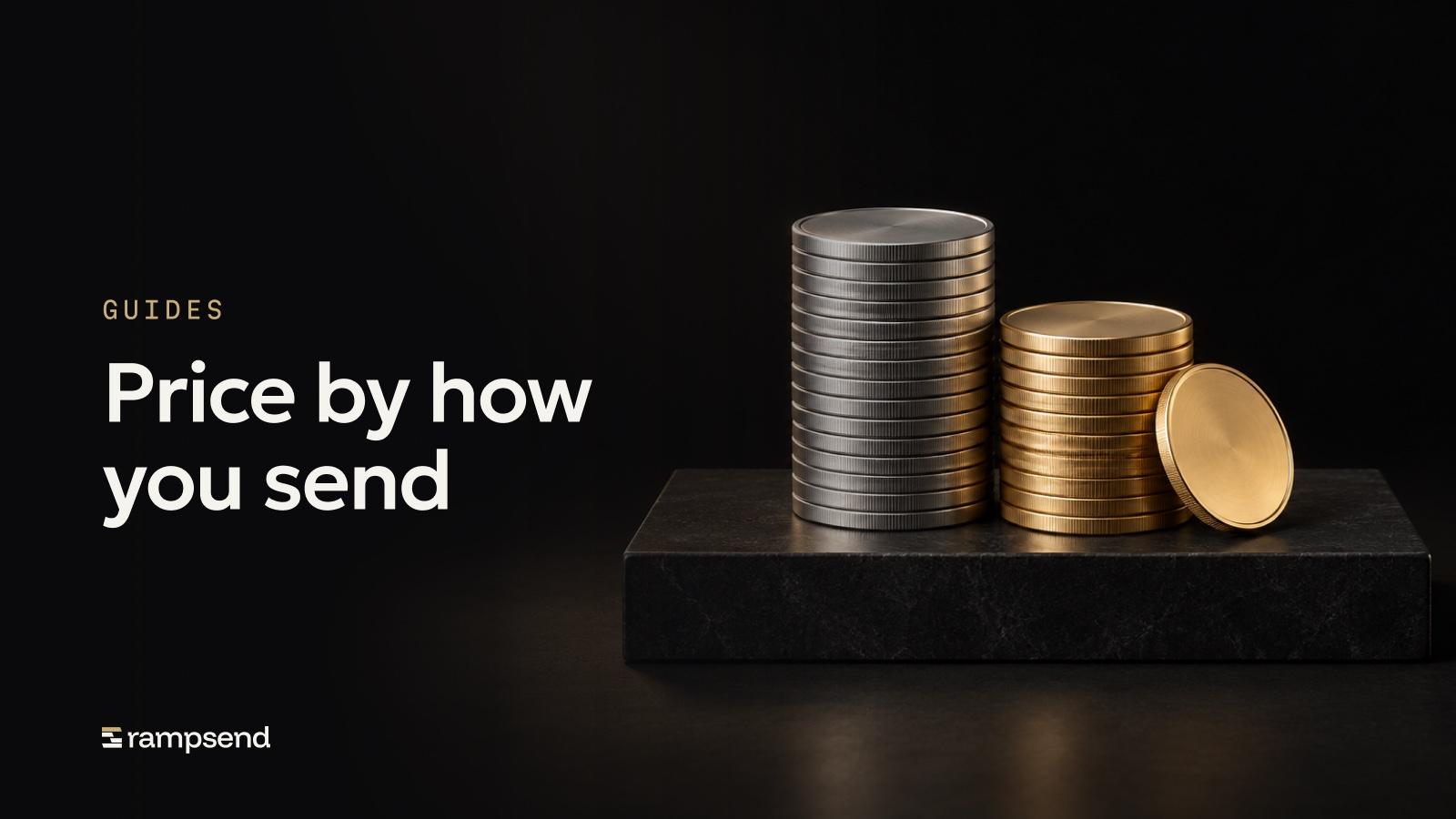
Email platforms price in one of two ways: by how many contacts you store, or by how many emails you send. Pick the model that doesn't match how you send and you'll pay for room you never use, or hit limits every month. The right choice is mostly arithmetic, and it starts with one number: how many emails you send per contact each month.
How email platforms price
Most providers use one of these models, or a mix.
By contacts. You pay for the size of your audience, usually with generous or unlimited sending to it. Common among marketing tools, because a newsletter sender's costs and value track list size.
By emails. You pay for volume sent each month, often with an allowance and a per-thousand rate beyond it. Common among developer-focused and transactional services, where the "list" might be every user of an app and the volume depends on product activity.
Hybrids. Contact plans with a monthly send limit, email plans with a cap on stored contacts, and add-ons for seats, dedicated IPs or extra domains. Most real pricing pages are hybrids, which is why the small print matters more than the headline number.
Neither model is better in general. Each is cheaper for a particular shape of sending.
The number that decides it
Work out your emails per contact per month: the emails you send in a typical month divided by the contacts you store.
A weekly newsletter with a couple of extra promotions is around 6. A daily digest is around 30. An app that sends one receipt and two notifications to each active user is around 3, but if most users never receive marketing, the "contacts" side of the sum may include many people you never deliberately email.
Low ratios favour contact pricing with a generous send allowance. High ratios, or large contact counts you rarely email, favour email pricing.
Worked example: a newsletter
Take a publisher with 8,000 subscribers. They send a weekly newsletter and about two promotional emails a month: roughly 6 emails per contact, or 48,000 emails a month.
- On contact pricing, they buy room for 8,000 contacts. If the plan includes 12 emails per contact, that's 96,000 emails a month of allowance, double what they use. They can add a special edition or a launch sequence without thinking about cost.
- On email pricing, they'd buy a plan covering about 48,000 emails, plus enough contact allowance for 8,000 people. Workable, but every extra send adds up, and the list will grow.
Contact pricing wins here, and it keeps winning as long as the ratio stays well below the included allowance.
Worked example: an app sending receipts
Now a software product with 40,000 users. Each month it sends 300,000 emails: sign-in links, receipts, usage alerts, comment notifications. Only 3,000 users have opted into a monthly product newsletter.
- On contact pricing, if every user is stored as a contact, they pay for 40,000 contacts. At 12 emails per contact that's 480,000 emails of allowance, which covers the volume, but most of those contacts are people they never market to. The bill is set by the user count, not by the newsletter.
- On email pricing, they buy a plan sized to 300,000 emails that includes enough contacts for the 3,000 newsletter readers. The bill follows product activity, which is what actually drives their sending.
Email pricing wins. It would win even more clearly for a product that sends a lot to a few people, such as an alerting tool where each customer gets dozens of notifications a day.
How "12 emails per contact" works
Rampsend's marketing plans are sized by contacts and include 12 emails per contact every month. A plan for N contacts gives you 12 × N emails, usable for anything: newsletters, campaigns, receipts, alerts. It's a pool, not a per-person limit, so one subscriber getting three emails and another getting twenty is fine as long as the total fits.
Twelve a month covers a weekly newsletter with room for promotions, onboarding sequences and the transactional mail a typical small business sends. If your ratio sits comfortably under 12, size by contacts.
Rampsend's transactional plans work the other way round: sized by emails a month, with a contact allowance included for an occasional newsletter. If your ratio is well above 12, or most of your contacts never receive marketing, size by emails. Either way, it's one account for both kinds of email, with the same API, domains and suppression list.
When transactional sizing wins
Choose email-based sizing when:
- Your sending is driven by product events, not a content calendar: receipts, alerts, notifications, reports.
- You store many contacts you rarely email, for example every user of an app, of whom few take marketing.
- You send many emails per person, such as digests, monitoring alerts or multi-step workflows.
- Volume is predictable from usage, so you can forecast it from active users or orders.
Choose contact-based sizing when your list is the product: newsletters, creators, e-commerce campaigns, communities.
Annual billing
Many providers discount annual plans. On Rampsend, paying yearly gets you two months free, which works out at about a 17% saving over twelve monthly payments.
Annual billing makes sense once your volume is stable and you're confident you'll stay. It's riskier when you're growing fast, because you may outgrow the tier within months, or when you're still evaluating providers. Check how upgrades mid-year are handled; on Rampsend, moving up or down a tier is prorated through Stripe.
What to watch for
The headline price rarely tells the whole story. Before you commit, check these.
Overage
What happens when you exceed the allowance? Options range from hard stops, to automatic upgrades to a bigger tier, to per-thousand overage charges added to the bill. Automatic upgrades are the ones that surprise people.
On Rampsend, paid plans keep sending past the monthly allowance from prepaid extra-sending credit at the plan's rate, and that credit never expires. If you have no credit, you're asked before more is sent. On Free, sending pauses until next month or until you upgrade.
Seats
Some platforms charge per team member, which quietly doubles the price for a small team. Rampsend's paid plans include unlimited team members.
Inactive contacts
On contact pricing, every stored contact costs money, including people who unsubscribed years ago or whose addresses bounce. Good hygiene lowers the bill: remove contacts who have unsubscribed or are suppressed, and run a sunset policy for people who haven't engaged in months. Base "engaged" on clicks and actions, not opens, for reasons explained in Apple Mail Privacy Protection and honest open rates. On Rampsend, unsubscribed and suppressed contacts can be deleted to free up room, and suppressed recipients aren't charged when you send; see how an email suppression list works.
Feature gates
Check which features sit behind higher tiers: API access, automations, extra sending domains, removing the provider's footer. Rampsend includes the REST API, the MCP server, automatic suppression, tracking and domain authentication on every plan; bigger plans add room and remove limits such as the daily cap and the footer on Free.
Daily caps and reviews
Free tiers and new accounts often have daily limits. Rampsend's Free plan covers 1,000 contacts and 6,000 emails a month, up to 200 a day. New accounts also start in review with a daily cap while sending is checked, which protects everyone's deliverability. Plan launches with that in mind, and warm a new domain gradually anyway (warming up a new sending domain).
A quick decision guide
- Count contacts you store and emails you send in a typical month.
- Divide emails by contacts.
- Under about 12, with a list you market to: size by contacts.
- Over 12, or many stored contacts you never market to: size by emails.
- Add expected growth for the next six months and check overage rules, seats and feature gates before you commit.
If you send both kinds of email, you don't have to choose a different provider for each; transactional vs marketing email covers how to run them as separate streams from one account. Rampsend's pricing page shows both ways of sizing a plan side by side.
Frequently asked questions
Frequently asked questions
Is it cheaper to pay by contacts or by emails?
It depends on how many emails you send per contact each month. Newsletter senders with a low ratio usually pay less on contact pricing; apps that send lots of transactional mail, or store many contacts they never market to, usually pay less on email pricing.
What does 12 emails per contact mean?
Rampsend's marketing plans include 12 emails a month for every contact in the plan, as one shared pool. A plan for N contacts can send 12 × N emails that month, of any kind.
What happens if I send more than my plan includes?
On Rampsend's paid plans, extra sending draws prepaid credit at your plan's rate, and the credit never expires. If you have no credit you're asked before more is sent. On Free, sending pauses until next month or until you upgrade.
Do unsubscribed contacts count towards my plan?
On contact-priced plans they usually do, so remove them. On Rampsend, every profile counts as a contact, and unsubscribed or suppressed contacts can be deleted to free up room.
Is annual billing worth it?
It is when your volume is stable. Rampsend's annual plans include two months free; if you expect to grow fast, start monthly and switch once your tier settles. See pricing.